
Sintra, Portugal: beyond Pena Palace and the town’s best-kept secrets
Pena Palace gets the crowds, the queues and nearly every Instagram post, but Sintra’s most memorable corners sit a short drive further on: a sub-tropical garden almost nobody visits, a monastery lined entirely in cork, and a 260-year-old hotel where Lord Byron once wrote by candlelight. Most visitors see Sintra in a rushed half-day squeezed between Lisbon and Cascais. Given the full day it actually deserves, it reveals a much richer town.
Our guide to touring Portugal by chauffeur already covers the classic Sintra circuit (Pena Palace, Quinta da Regaleira, Cabo da Roca). This one is for the second visit, or the first visit done properly: the palaces the coach tours skip, the restaurants that don’t need a queue number, and the practical case for seeing all of it without spending half the day looking for parking.
Why Sintra rewards a slower visit
Sintra’s UNESCO-listed hillside packs an unusual density of palaces, gardens and monasteries into a few square kilometers of pine forest, which is exactly the problem: most day-tour itineraries have time for two stops, so everything gets funneled toward the same two postcards. The town’s steep, narrow roads and famously scarce parking near Pena and Regaleira only make this worse: by mid-morning in high season, the approach roads back up well before the palace gates do.
None of that changes with a private tour, but it stops being your problem. A chauffeur who drives these roads daily knows which car parks fill by 10am, which gates are quieter in the early afternoon, and how to sequence four or five stops instead of two, which is the difference between seeing Sintra and seeing two palaces from a bus window.
The palaces the crowds skip
Monserrate Palace
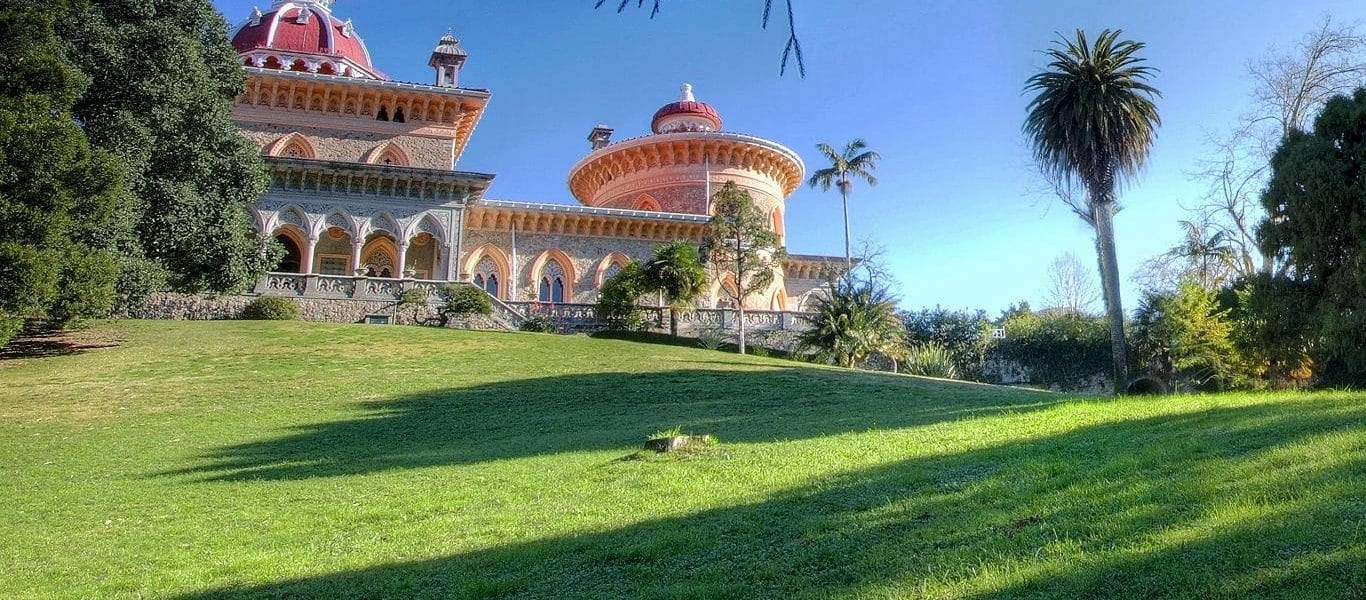
A 20-minute walk (or a two-minute drive) past Regaleira, Monserrate is routinely the most underrated stop in Sintra. English millionaire Sir Francis Cook rebuilt it in the 1850s as a Moorish-Gothic fantasy, and its real draw is the 30-hectare garden around it: more than 3,000 exotic plant species gathered from four continents during the Victorian era, laid out with none of Pena’s crowds. Grounds are open 9am–7pm, the palace itself 9:30am–6:30pm (last admission 6pm). One honest caveat worth knowing before you go: a roof restoration project has scaffolding on part of the façade into 2027, though the interior and gardens are unaffected.
Convento dos Capuchos
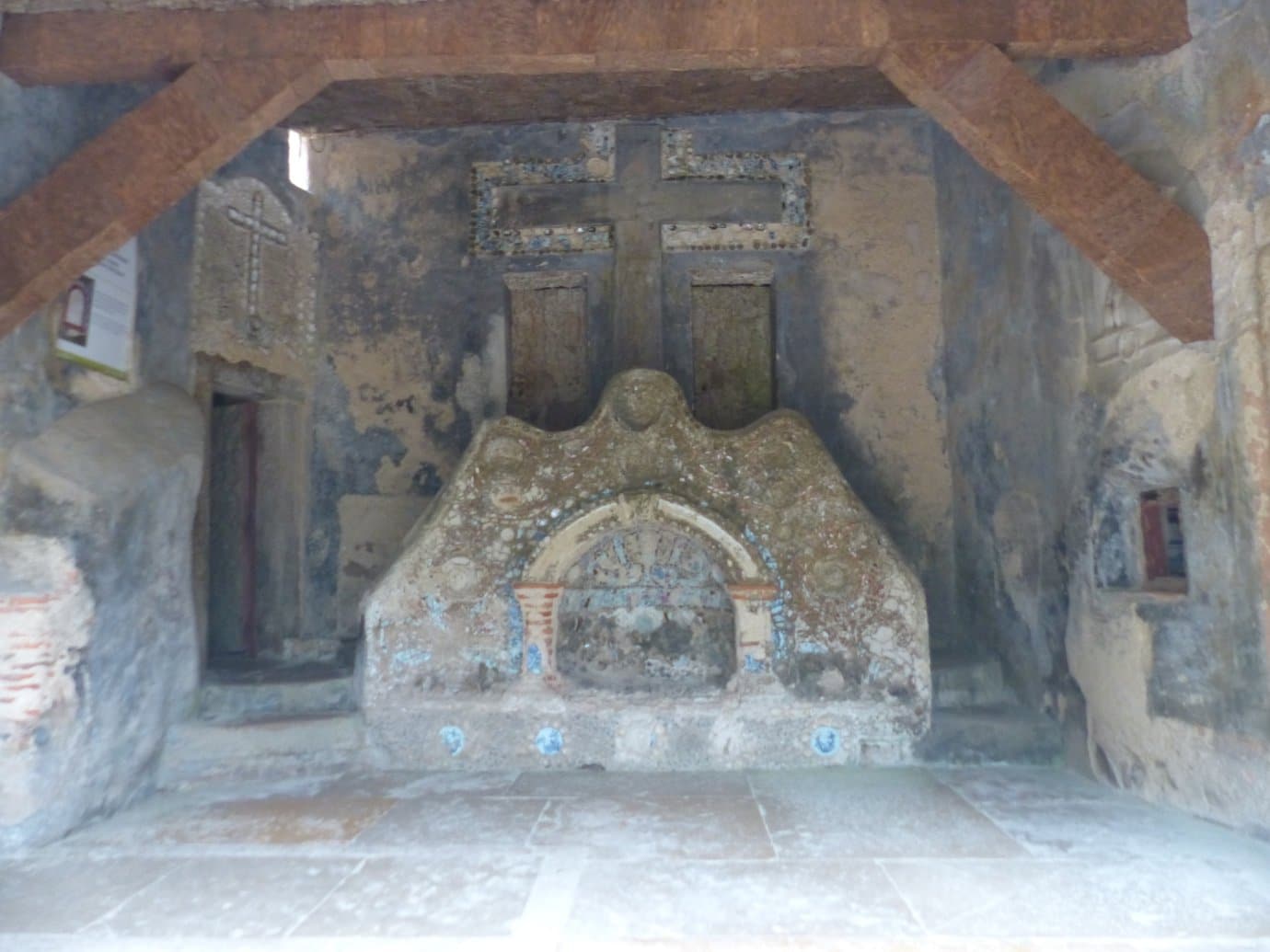
This is Sintra’s strangest and least-visited site, and worth the detour precisely because of it. Franciscan monks built it in 1560 into the granite boulders of the Serra de Sintra, lining the tiny cells, corridors and chapel almost entirely in cork for insulation against the damp. The “cork convent” is not a nickname the tourism board invented: it’s a fairly literal description of walking through it. It’s open daily, roughly 9am–5:30pm (last admission 5pm), though it’s genuinely worth checking parquesdesintra.pt before setting off, since hours here shift more often than at the marquee sites. The uneven granite floors and narrow doorways make it a difficult stop for wheelchairs or strollers, worth knowing before planning the day’s route. Budget 45 minutes to an hour, more if you add the short trail behind the convent to the Lagoa dos Mosqueiros.
Chalet da Condessa d’Edla
Tucked inside Pena Park and easy to miss if you head straight for the palace, this Swiss-inspired chalet was built for King Fernando II’s second wife and restored after decades of neglect. Its exterior is covered in cork bark and false tree-trunk plasterwork, an eccentric, almost fairy-tale touch that most Pena visitors walk straight past. Admission is included with the standard Pena Park ticket; check parquesdesintra.pt for current pricing, since it’s revised periodically.
Where the town’s history slows down
Tivoli Palácio de Seteais
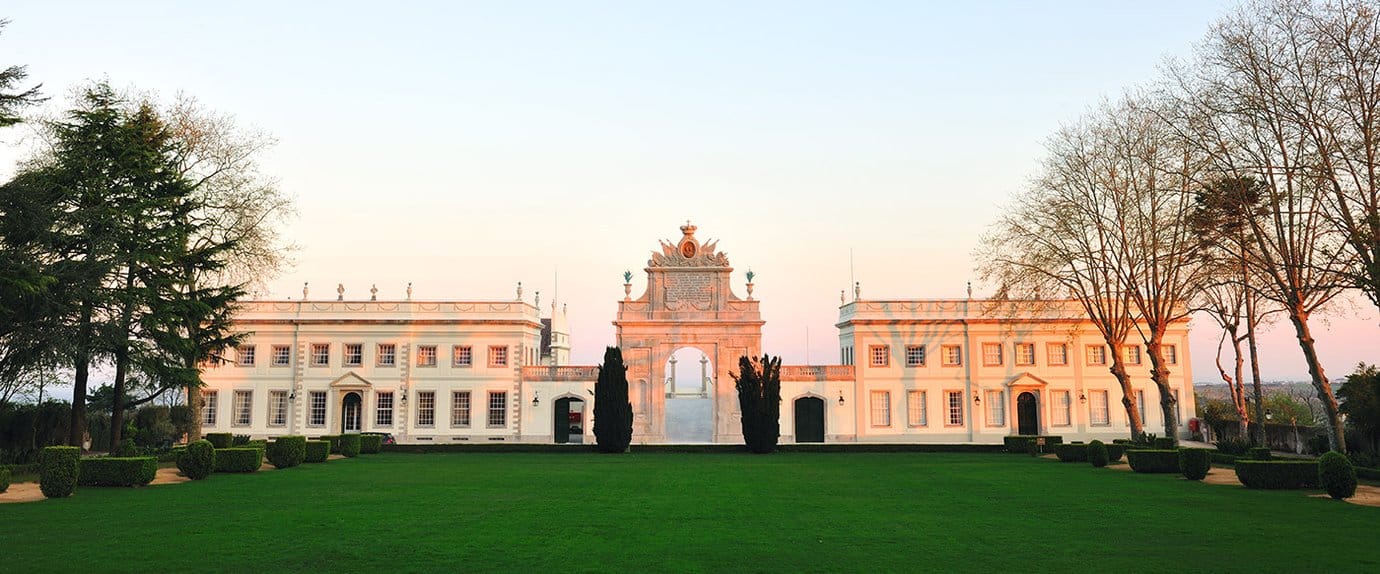
Built in the 1780s for a Dutch consul and later enlarged by the Marquis of Marialva, Seteais is where the 1808 Convention of Sintra was signed after the Battle of Vimeiro, an episode that caused enough outrage in England that Wellington himself had to answer for it. Its triumphal arch, joining the two symmetrical wings, is the single most photogenic building in Sintra that isn’t a palace-museum. It’s been a luxury hotel since 1954; you don’t need to be a guest to stop for a coffee on the terrace and take in the view it was built for.
Lawrence’s Hotel
A short walk from Seteais, this is reputedly the oldest hotel still operating on the entire Iberian Peninsula, dating to 1764. Lord Byron stayed here in 1809 while writing part of Childe Harold’s Pilgrimage, in which he called Sintra a “glorious Eden,” high praise from a poet not known for being easily impressed. Portuguese novelist Eça de Queirós was a regular guest and wrote the hotel into two of his own novels. A small, human detail that says a lot about the place: rooms here don’t have numbers, they have names, and keys are still real keys, not cards.
Eating like a local, not a tour group
Sintra’s main square is lined with cafés built for the tour-bus schedule: fine for a pastel de nata between palaces, less so for an actual meal. Two names worth knowing:
- Incomum by Luís Santos: modern Portuguese tasting menus from a chef who has been quietly building a name here since 2014; the smoked duck carpaccio and octopus are regular highlights.
- Tascantiga: a tiny, informal spot on the Escadinhas da Fonte da Pipa doing creative petiscos rather than a fixed menu. It’s small, popular with locals, and closed on Sundays, so it rewards a reservation rather than a walk-in.
Neither is a secret exactly, but neither turns up on the standard tour-group lunch stop either, and in a town this visited, that amounts to the same thing.
Time it right: Sintra’s festival season
Every June, the Festival de Sintra brings classical recitals, choral performances and chamber concerts into the palaces and gardens themselves: a chance to hear a piano recital inside a room you’d otherwise only walk through. Exact dates shift year to year, so it’s worth checking festivaldesintra.pt before building a trip around it, but if the timing lines up, it’s a genuinely different way to experience these buildings than a daytime visit ever allows.
Choosing the right Amiroad vehicle for a full Sintra day
| Group Size | Recommended Vehicle | Best For |
|---|---|---|
| 1–3 passengers | Mercedes E Class / S Class | Couples wanting an unhurried, five-stop day rather than the two-palace rush |
| 4–6 passengers | Mercedes V-Class | Families combining palaces with lunch and Cabo da Roca on the way back |
| 8–15 passengers | Mercedes Sprinter (Van) | Small groups touring several palaces and gardens over a full day |
A couple prioritizing Monserrate’s gardens and a long lunch at Incomum fits easily in a sedan; a family working Pena, the Chalet and Cabo da Roca into one day gets more comfort and boot space in the V-Class.
Amiroad’s Services
Amiroad Luxury Transports builds each Sintra itinerary around what you actually want to see, not a fixed two-stop script:
- Custom Sintra tours that go beyond Pena Palace and Regaleira to Monserrate, Capuchos and the lesser-known corners of the Serra
- Airport and city transfers combined with a Sintra day for travelers arriving directly into Lisbon
- Festival de Sintra transport for evening concerts, when public parking near the palaces is at its most limited
- Multilingual chauffeurs who know which car parks fill first and how to sequence a multi-palace day without doubling back
Every vehicle in Amiroad’s fleet comes equipped with air conditioning, GPS, Wi-Fi and complimentary water, so the only real decision left is whether lunch is at Incomum or Tascantiga.
Frequently asked questions
What is there to see in Sintra besides Pena Palace?
Monserrate Palace and its 30-hectare garden, the cork-lined Convento dos Capuchos, the Chalet da Condessa d’Edla inside Pena Park, and historic hotels like Tivoli Palácio de Seteais and Lawrence’s Hotel are all within a short drive of the main palace circuit.
How much time do you need to see Sintra properly?
A rushed visit covers Pena Palace and Quinta da Regaleira in half a day. Seeing Monserrate, Capuchos or the historic hotels as well realistically needs a full day, ideally with a private driver managing the route between stops.
Is Monserrate Palace worth visiting instead of Pena Palace?
They’re different experiences rather than direct substitutes: Pena is the iconic hilltop palace, while Monserrate is quieter and better suited to visitors who want to enjoy an exceptional garden without the crowds. Many visitors do both in one day.
Is Convento dos Capuchos worth the detour?
Yes, especially for visitors who have already seen Sintra’s main palaces. Its cork-lined cells and rustic, unrestored character offer a completely different atmosphere from the ornate interiors of Pena or Monserrate.
Can you visit Tivoli Palácio de Seteais or Lawrence's Hotel without staying there?
Yes. Both are working hotels, but visitors are generally welcome to stop for a coffee, drink or meal to see the architecture and grounds without booking a room.
What is the best restaurant in Sintra for a proper meal, not just a quick bite?
Incomum by Luís Santos offers a modern Portuguese tasting menu experience, while Tascantiga is a smaller, more informal option for creative petiscos. Both are popular with residents rather than only tour groups.
Is a private driver better than the Sintra tourist bus for seeing these sites?
A private chauffeur allows a custom route across multiple palaces and gardens without fixed bus schedules or the queues that build up at Sintra’s main stops in high season, particularly useful given how limited parking is near Pena and Regaleira.

For tailor-made tours or other programs, please get in touch with us through the telephone below or by filling out the form.