

Portugal guided tours: guide to sites, seasons and private chauffeur travel
The best Portugal guided tours combine Lisbon, Sintra, Porto and the Douro Valley with a private chauffeur service, offering flexible routing, multilingual local expertise and door-to-door comfort that self-driving or group coach tours cannot match. The best time to visit is spring (March–May) or autumn (September–October), when the weather is mild, and the Douro Valley and countryside are at their most beautiful.
Portugal rewards travelers who move through it slowly and well. From the tiled façades of Lisbon’s Alfama to the terraced vineyards of the Douro, from fairy-tale palaces in Sintra to granite villages hidden along the Spanish border, the country packs an extraordinary range of history, landscape and flavor into a territory smaller than the state of Indiana. This article covers everything worth knowing before booking a guided tour of Portugal: the sites that define each region, what to expect season by season, where to eat and sleep, and why travelers increasingly choose a private chauffeur over a rental car to see it all.
Why a private chauffeur beats a rental car in Portugal
Renting a car in Portugal looks simple on a booking website and rarely stays that way on the ground. Lisbon and Porto were built centuries before the automobile: their historic centers are a maze of one-way cobblestone streets, steep hills, and parking that is either very complicated or costs more than a taxi would have. Some of the country’s secondary roads are defiant, and navigating unfamiliar signage, tolls that require electronic tags, and insurance paperwork after a scrape on a narrow medieval street is not most people’s idea of a holiday.
A private chauffeur service removes every one of those variables:
- No parking anxiety. In Sintra, Lisbon’s Baixa or Porto’s Ribeira, parking is rare, expensive and often illegal to find at all. A chauffeur drops you at the door and is already waiting when you’re ready to leave.
- No insurance gray areas. Every Amiroad vehicle and driver is fully insured, so there is no excess to negotiate and no rental company to argue with.
- Local road knowledge. Drivers who cover the same routes daily know which roads may flood in winter, which viewpoints are worth the detour, and how to avoid the worst of Lisbon’s rush hour or the Algarve’s summer traffic.
- Zero fatigue. Long transfers between Lisbon, Porto and the Douro Valley take hours. A chauffeur-driven journey means arriving rested instead of arriving as the designated driver.
- Door-to-door flexibility. Multi-stop days (a palace in the morning, a vineyard lunch, a coastal viewpoint at sunset) are simply not realistic in a self-driven itinerary once parking and directions at every stop are factored in.
- Multilingual guidance. A skilled Amiroad driver often doubles as an informal guide, offering historical context, restaurant tips and honest local advice a GPS cannot.

For visitors who want to see Portugal rather than spend their trip managing logistics, a private chauffeured tour consistently outperforms self-drive on comfort, time and total cost once parking, tolls, insurance and stress are added into the equation.
Portugal’s essential sites for a guided tour
Lisbon
Lisbon anchors almost every Portugal itinerary, and for good reason. The Tower of Belém, standing on the Lisbon waterfront, was built in the 16th century as a fortress and now stands as a monument to Portugal’s Age of Discovery. Nearby, Jerónimos Monastery, Praça do Comércio and the fado-filled lanes of Alfama complete the city’s historic core. Getting between these spread-out sites comfortably, especially with limited time, is where an airport or city transfer earns its keep.
Sintra
A short drive from Lisbon, Sintra is the single most requested day trip in Portugal. Pena Palace, a colorful 19th-century Romantic castle set amid lush forest, offers panoramic views and is a highlight of nearly every guided tour, often paired with the Gothic Quinta da Regaleira, Cabo da Roca (continental Europe’s westernmost point), and the coastal town of Cascais in a single day. Sintra’s steep, narrow roads and scarce parking make it one of the clearest cases for a private driver over a rental car.
Porto and the Douro Valley
Porto’s historic Ribeira district, its port wine cellars across the river in Vila Nova de Gaia, and the terraced vineyards of the Douro Valley form the north’s signature circuit. A guided visit to the wine cellars followed by a Douro River cruise is a highlight of the best-rated tours in the country.
Évora, Alentejo and Fátima
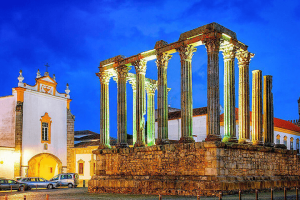
South and east of Lisbon, Évora’s UNESCO-listed Roman temple and the pilgrimage site of Fátima reveal a slower, more rural Portugal of cork oaks, whitewashed villages and vast plains.
The Algarve
The Algarve Coast, with its stunning beaches, dramatic cliffs and picturesque fishing towns, suits both relaxation and adventure, and pairs naturally with a scenic coastal drive from Lisbon.
Hidden Gems Worth the Detour
Travelers who have already covered the classic circuit are increasingly asking for what locals actually visit. A few stand out:
- Monsanto, often called the most Portuguese village in the country, where granite boulders are built directly into the houses.
- Sortelha, a fortified medieval village near the Spanish border, still fully enclosed within its original grey granite walls.
- The Aldeias do Xisto (Schist Villages), including Talasnal, a tiny, atmospheric village of stone houses stacked along a hillside in the Serra da Lousã.
- Aveiro, nicknamed the Venice of Portugal for its colorful moliceiro boats and striped houses on the coast.
- Peneda-Gerês National Park, Portugal’s only national park, prized for waterfalls, granite peaks and total quiet.
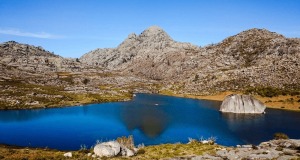
These sites rarely appear on a fixed coach-tour itinerary because they require flexible, custom routing, exactly the kind of tailor-made itinerary Amiroad can build for tours across Portugal.
Portugal by season: what to visit when
| Season | Months | Weather | Best For |
|---|---|---|---|
| Spring | March – May | Mild, green, wildflowers | Hiking, Douro Valley, Sintra gardens, fewer crowds |
| Summer | June – August | Hot, dry, peak season | Algarve beaches, Azores, coastal towns |
| Autumn | September – October | Warm days, cooler nights | Grape harvest in the Douro, wine tours, city sightseeing |
| Winter | November – February | Mild, wetter in the north | Lisbon, Porto, Fátima, spa retreats, lower prices |
Spring brings the Douro Valley and Alentejo into bloom, with wildflower displays across the Alentejo plains and almond blossoms covering the Douro and Algarve hillsides, making it the strongest season for hiking and countryside touring.
Summer is peak season nationwide. July and August are when beaches are busiest and cities fill with visitors, so early starts and private transport matter most for beating the crowds at Sintra and central Lisbon.
Autumn is the Douro’s showcase season. It is the most in-demand time for countryside touring, with autumnal color and family-owned quintas at the height of their harvest, and September remains excellent for a Douro river cruise.
Winter is Portugal’s quiet season and, for culturally focused travelers, one of the best. The winter months are ideal for exploring Lisbon, Porto and Lamego at a relaxed pace, all without the crowds and at lower rates. It’s also a popular season for private event and wedding transport, when venues are easier to book.
Culture and Gastronomy
Portuguese identity runs through its food and music as much as its monuments. Fado, the melancholic musical tradition born in Alfama, is best heard live in a small Lisbon tasca. Azulejo tiles cover facades from Porto to the Algarve, telling historical and religious stories in blue and white. On the plate, expect bacalhau (salt cod) prepared hundreds of different ways, Porto’s francesinha, a hearty sandwich smothered in cheese and a rich tomato-based sauce, and of course the pastel de nata, Portugal’s custard tart export to the world.

Where to Eat
Portugal’s fine-dining scene has matured rapidly. In Lisbon, Belcanto, founded by chef José Avillez, and Henrique Sá Pessoa, the chef’s namesake restaurant that took over from Alma in 2026, anchor the city’s Michelin-starred circuit. Kappo in Cascais and In Diferente in Porto represent the newest additions to Portugal’s Michelin roster, reflecting the country’s growing reputation for precise, seasonal cooking.
Where to Stay
For travelers building a Portugal itinerary around comfort as much as sightseeing, Six Senses Douro Valley, set in a 19th-century manor overlooking the river, ranks among the finest hotels in northern Portugal and pairs naturally with a private wine country transfer. In the Algarve, historic properties like Bela Vista Hotel & Spa in Praia da Rocha combine beachfront position with Portuguese architectural character, while boutique pousadas across the Alentejo and central Portugal offer overnight stays inside restored castles, convents and manor houses.
Choosing the right Amiroad vehicle for your group
Amiroad’s fleet is built around one principle: the right vehicle for the right group, with no compromise on comfort, discretion or safety at any size. Every trip is handled by an experienced, multilingual chauffeur who knows Portugal’s roads, seasons and hidden corners the way only years on the ground can teach.
| Group Size | Recommended Vehicle | Best For |
|---|---|---|
| 1–3 passengers | Mercedes E Class / S Class / Maybach | Airport transfers, business travel, romantic getaways, executive transport |
| 1–3 passengers, eco-conscious | Mercedes EQE / EQS (electric) | Sustainable private transfers with full luxury sedan comfort |
| 4–6 passengers | Mercedes V-Class | Family tours, small group day trips to Sintra or Cascais |
| 6–7 passengers, eco-conscious | Mercedes EQV (electric minibus) | Small groups wanting a zero-emission tour of Lisbon or Sintra |
| 8–15 passengers | Mercedes Sprinter (Van) | Small corporate groups, wedding parties, golf transfers |
| 15–19 passengers | Mercedes Sprinter Minibus | Mid-sized tour groups, conference shuttles |
| 27–29 passengers | Iveco Daily Minibus | Larger tour groups needing full-day comfort with generous luggage capacity |
| Up to 55 passengers | Volvo Irizar Luxury Coach | Full coach tours, large weddings, conference delegations, multi-day itineraries |
.
For a family of four heading to Sintra for the day, the Mercedes V-Class offers luggage space and comfort without the scale of a full coach. A 20-person incentive group touring the Douro Valley over several days is better served by the Iveco Daily Minibus, which balances capacity with a more intimate, easier-to-park footprint on rural roads. For a 50-person wedding party or corporate conference moving between Lisbon hotels and venues, the Volvo Irizar Coach, complete with onboard WC, leather interiors and full luxury amenities, delivers coach-scale capacity without sacrificing a private-transfer standard of comfort.
Amiroad’s Services
Amiroad Luxury Transports designs tours and transfers around the traveler, not a fixed script:
- Custom guided tours across Lisbon, Sintra, the Douro Valley, Alentejo and the Algarve, tailored to interests: history, wine, gastronomy or hidden villages
- Airport and private transfers anywhere in Portugal, door to door, including dedicated Lisbon airport transfers
- Event and wedding transportation, from a single luxury sedan to a full coach for guests
- Golf transfers to Portugal’s top courses
- Executive transportation for meetings, conferences and corporate events
- Multilingual chauffeurs with years of experience navigating Portugal’s cities, coastlines and countryside in every season
Every vehicle in Amiroad’s fleet comes equipped with air conditioning, GPS, Wi-Fi, onboard entertainment, complimentary water, child seats for all ages, and smartly presented, discreet drivers trained to the same standard across the entire fleet, from sedan to full-size coach.
Frequently asked questions
What is the best way to see Portugal on a guided tour?
A private chauffeur-driven tour offers the most flexibility, combining the local knowledge of a guide with the comfort and privacy of a personal vehicle, without the parking, insurance and navigation challenges of a rental car.
What is the best time of year for a Portugal guided tour?
Spring (March to May) and autumn (September to October) offer the best balance of mild weather, blooming or golden landscapes, and smaller crowds. Summer is hottest and busiest, while winter is quiet and mild, ideal for city-focused itineraries.
How many days do I need for a Portugal tour?
A week allows time for Lisbon, Sintra, and a Douro Valley excursion at a relaxed pace. Ten days to two weeks allow for the Algarve or Alentejo to be added without rushing.
Is a private tour more expensive than a group coach tour?
Per person, a small private tour can cost more than a large group coach tour, but it saves significant time, avoids fixed schedules and crowded buses, and often works out more cost-effective for families or small groups once flexibility and comfort are factored in.
What vehicle is best for a small family visiting Sintra for the day?
A Mercedes V Class comfortably fits a family of four to six with luggage, offering more space and privacy than a sedan without the scale of a larger minibus.
Can Amiroad organize transport for a large wedding or conference group?
Yes. The Volvo Irizar Luxury Coach seats up to 55 passengers with leather interiors, an onboard WC and full amenities, ideal for weddings, conferences and large tour groups moving together.
Do Amiroad drivers speak English?
Yes. Amiroad chauffeurs are multilingual and experienced in guiding international visitors, offering local insight into history, culture and hidden gems throughout the journey.
What is included in an Amiroad private tour?
Every tour includes air conditioning, Wi-Fi, onboard entertainment, complimentary water, child seats on request, and a professional, discreet chauffeur, with vehicles ranging from executive sedans to full-size coaches depending on group size.

For tailor-made tours or other programs, please get in touch with us through the telephone below or by filling out the form.