
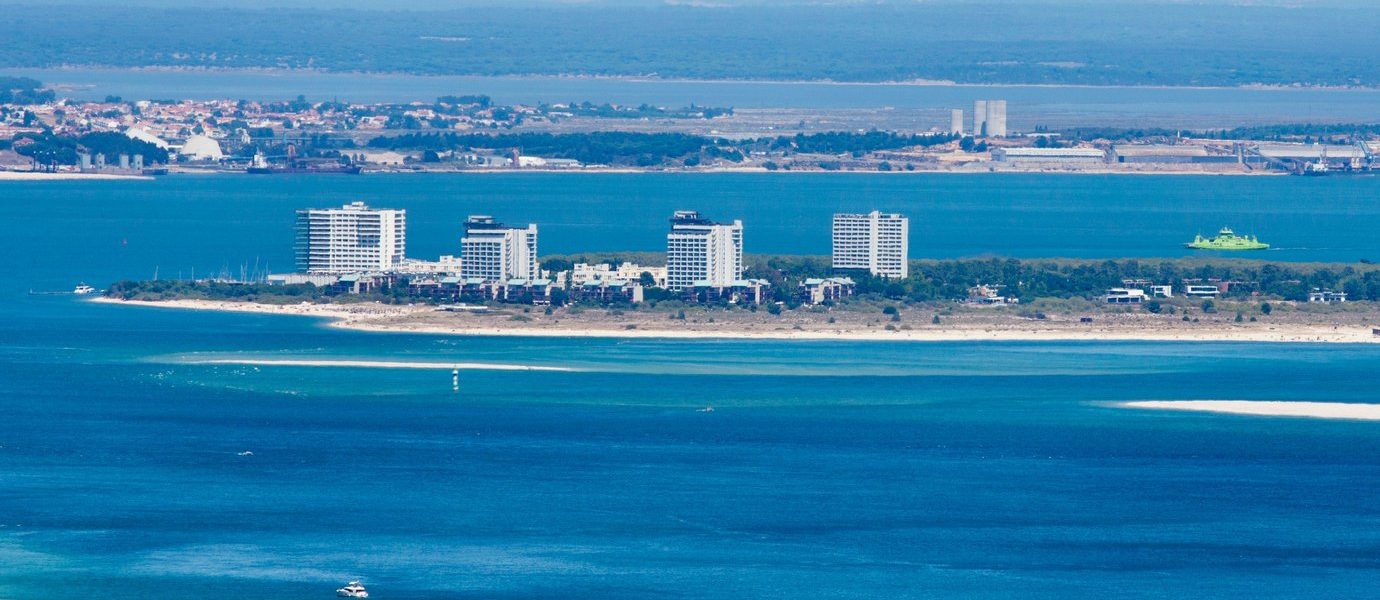
Setúbal, Portugal: wild dolphins, sweet wine and a market worth the detour
Setúbal sits less than an hour south of Lisbon and gets a fraction of the visitors, despite having one of Europe’s five resident dolphin populations in its estuary, the country’s oldest Manueline building predating even the Jerónimos Monastery, and a fish market once ranked among the best in the world. It is a working port city first and a tourist destination second, which is precisely why it rewards the people who make the trip.
This guide covers the estuary’s dolphins, the wine houses of nearby Azeitão, where to eat the city’s signature dish, and how it pairs with the Arrábida coast and the Tróia peninsula for a fuller day trip from Lisbon.
Why visit Setúbal with a private chauffeur
Setúbal is roughly 40 minutes from Lisbon across the Ponte 25 de Abril or the Vasco da Gama bridge, depending on the route. Unlike Sintra or Óbidos, it isn’t built around a single walled center. It spreads along a working waterfront, an old town, and the wine villages just inland, which actually favors a private driver more than most day trips:
- Three stops, one afternoon. The dolphin tour departs from one dock, the best choco frito is a fifteen-minute walk from there, and the wine estates of Azeitão sit a further twenty minutes into the hills.
- Public transport connects these in theory. In practice, a chauffeur who already knows the route turns three separate errands into one smooth day.
- Timing matters. Boat tours, wine tastings and the Tróia ferry all run on their own schedules, and a driver can sequence them without anyone watching the clock.
The Sado estuary’s wild dolphins
The Sado estuary holds one of only five known resident populations of bottlenose dolphins in Europe, alongside small groups in Scotland, Wales and Ireland. Portugal’s nature conservation institute, the ICNF, has monitored this specific group for more than 40 years, and the family currently numbers around 30 individuals, each one named and tracked.
Licensed operators run boat tours of two to three hours from Setúbal’s docks, with sighting rates commonly cited above 90 percent, though the ICNF sets strict rules on how closely boats can approach to protect the animals.
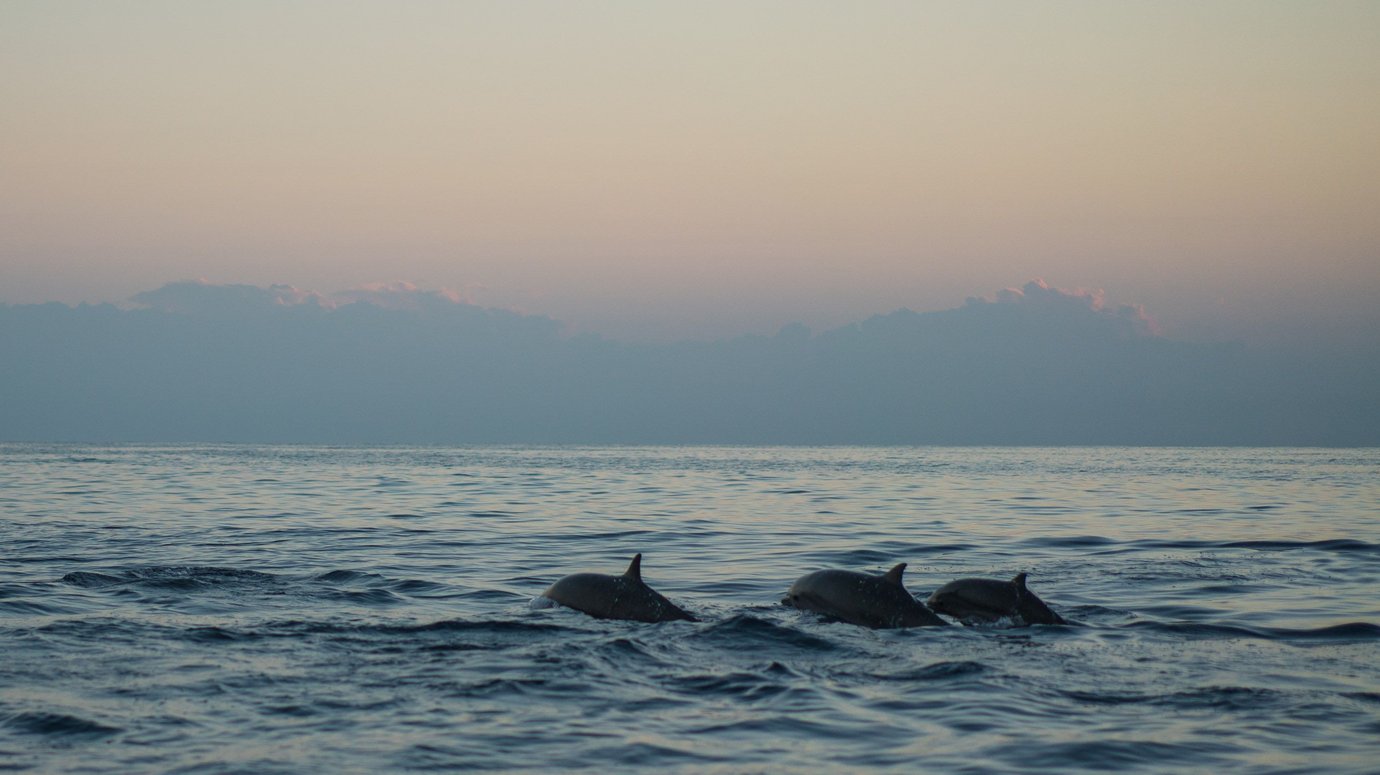
It’s a genuinely different kind of wildlife encounter from anything else on Portugal’s coast, precisely because this isn’t a population that migrates through. These dolphins have lived in the same stretch of water for generations.
Convento de Jesus, where Manueline architecture began
Built between 1490 and 1496 by the architect Diogo Boitaca, who would go on to work on the Jerónimos Monastery, Belém Tower and Batalha Monastery, the Convent of Jesus in Setúbal is generally considered the first building in the distinctive Manueline style, the twisting, maritime-themed architecture that later defined Portugal’s Age of Discovery landmarks.
The church’s twisted stone columns and net-like vaulted ceiling were unlike anything built in Portugal before it.
The convent has housed the Setúbal Museum since 1961, home to the “Primitivos de Setúbal”, a set of 14 painted panels from the church’s original altarpiece.
Moscatel and Periquita in Azeitão
A twenty-minute drive inland brings visitors to Vila Nogueira de Azeitão, home to José Maria da Fonseca, founded in 1834 and still run by the same family. The estate produces Periquita, widely considered Portugal’s oldest branded red wine, alongside its Alambre Moscatel de Setúbal, a fortified wine aged on its own grape skins in the historic Teares Velhos cellar for extra aromatic depth.
Guided tours run daily, generally in two sessions, morning and mid-afternoon, through the 19th-century family house, three linked cellars and a closing tasting. It is worth booking ahead rather than arriving unannounced.
Where to eat: choco frito and a market worth planning around
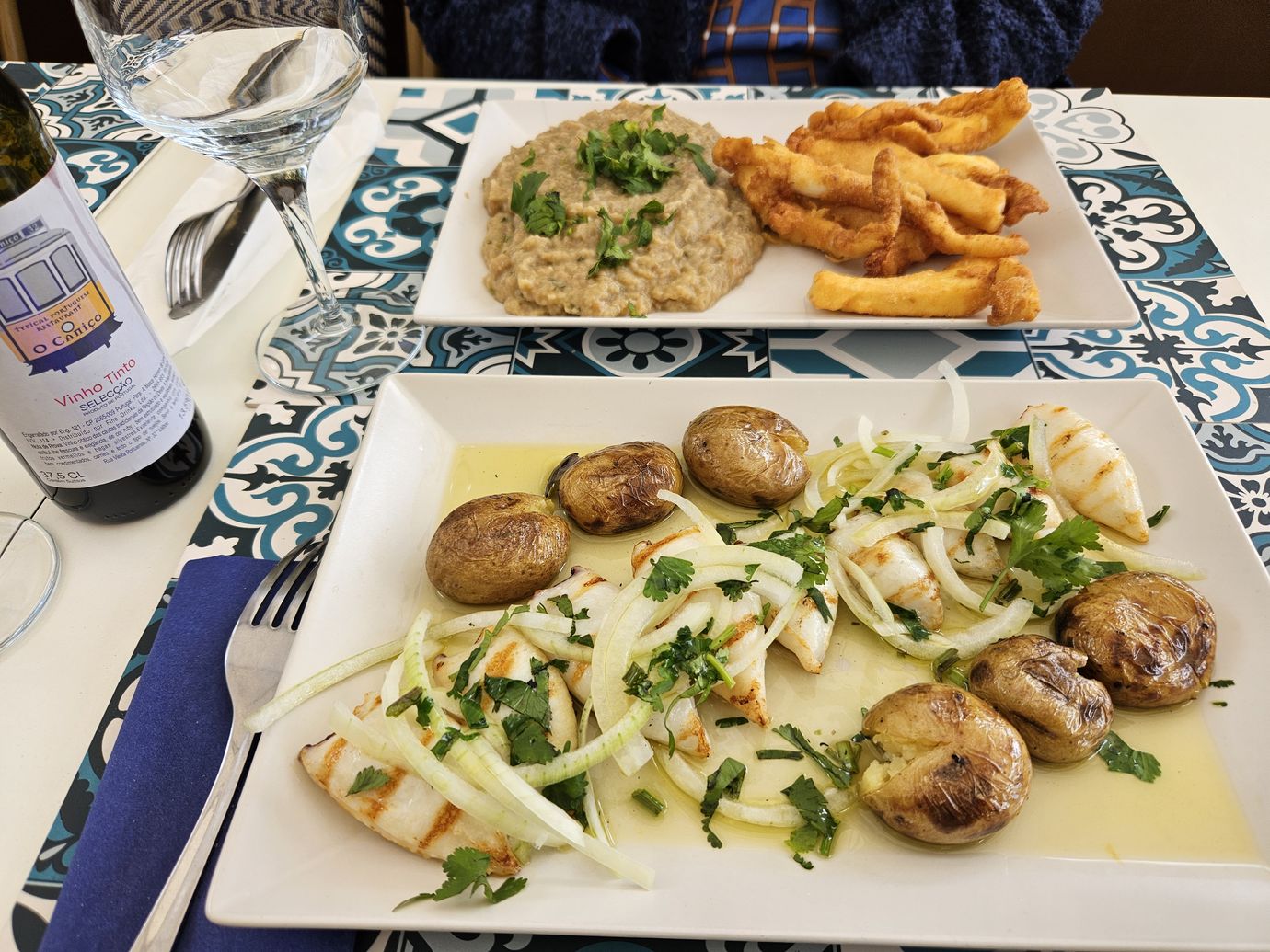
Setúbal’s signature dish is choco frito, small pieces of cuttlefish fried until crisp and served simply with a squeeze of lemon. Casa Santiago, known locally as the “Rei do Choco Frito” (king of fried cuttlefish), has served it on Avenida Luísa Todi since 1974 and remains the most cited name in the city, though it doesn’t take reservations and the wait can stretch past an hour at peak lunch times.
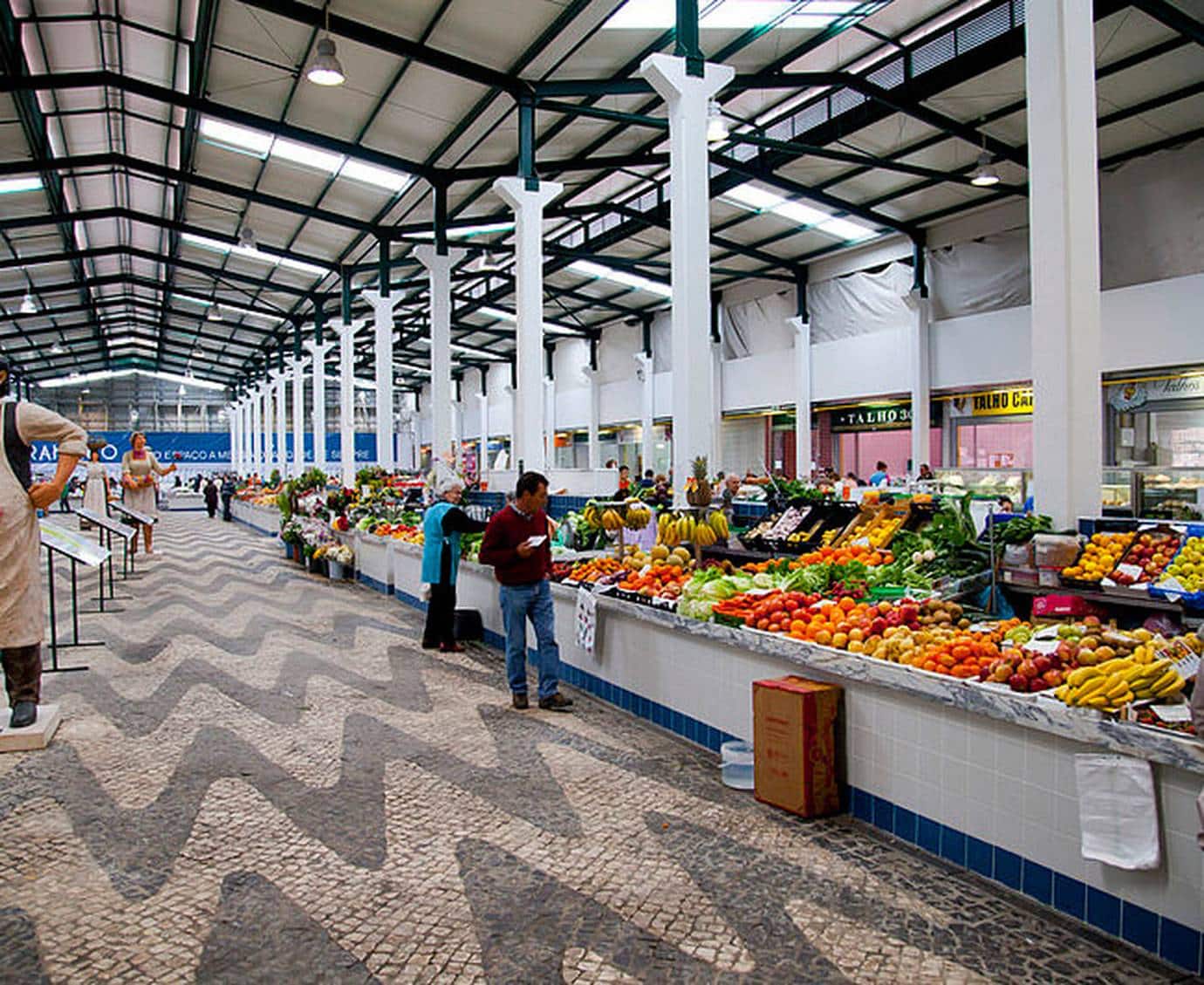
Nearby, Mercado do Livramento, a working fish and produce market rather than a tourist attraction, was once mentioned as one of the world’s great seafood markets by USA Today. A walk through its stalls says as much about the city as any monument does.
Combine Setúbal with Tróia and the Arrábida coast
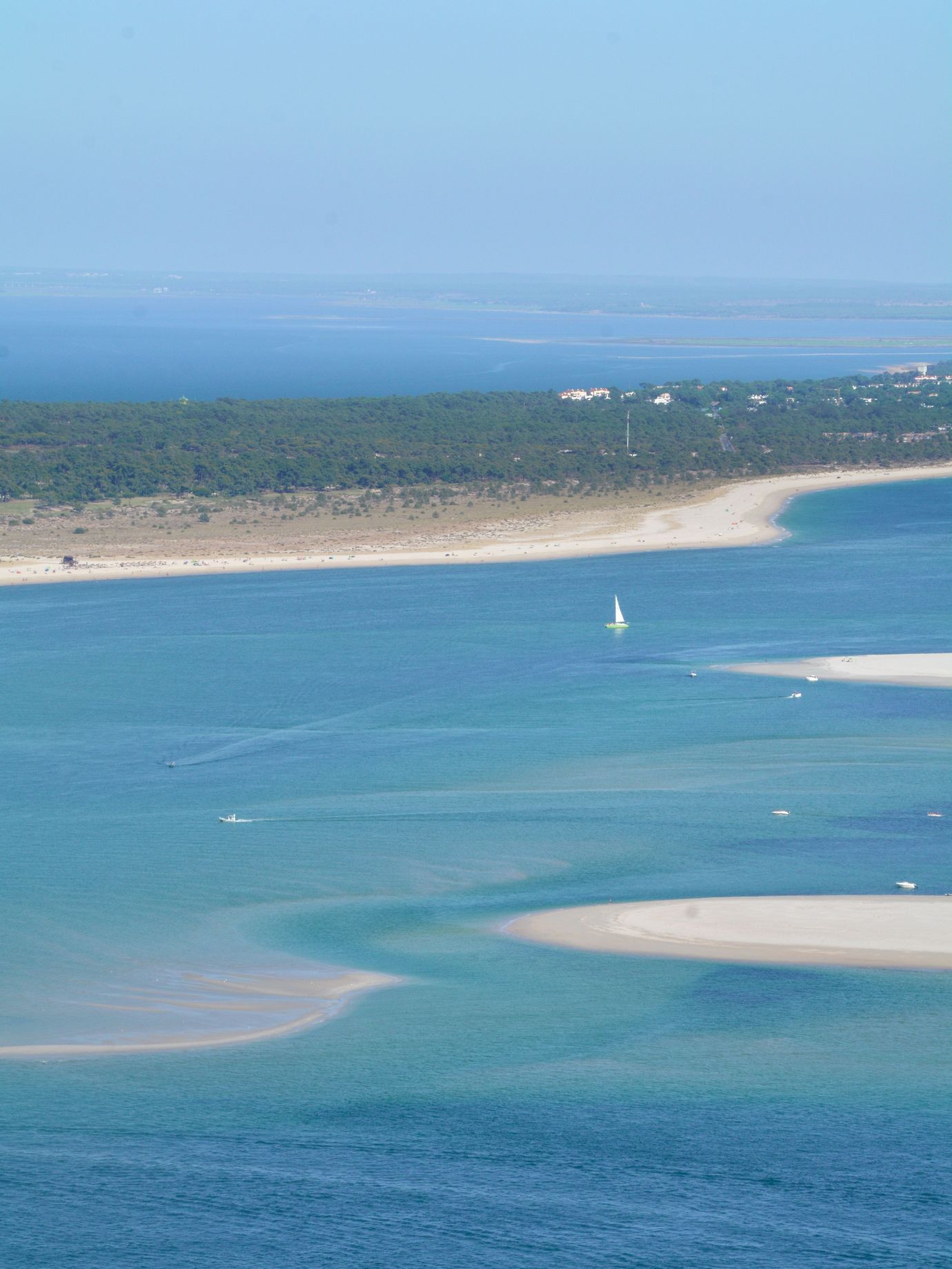
A passenger ferry crosses the Sado in about 25 minutes to the Tróia peninsula, a long sandbar of Atlantic beaches that also holds the Roman ruins of Cetóbriga, a fish-salting complex active between the 1st and 6th centuries, with baths, workshops and a necropolis still visible near the ferry terminal.
The peninsula itself forms the southern edge of the Sado estuary, the same waters home to the resident dolphins, so the crossing alone offers a good chance of spotting the pod from the boat.
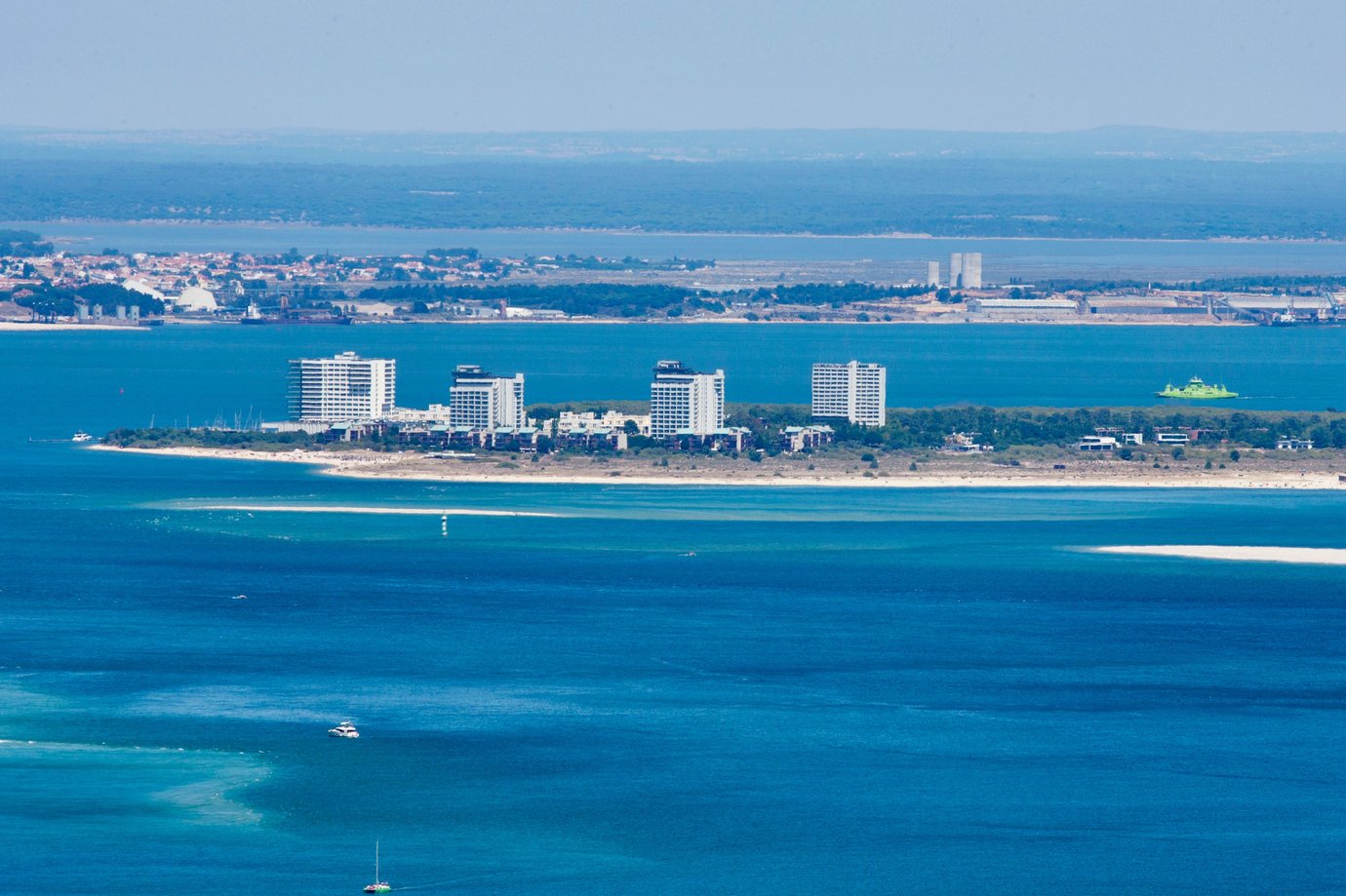
In the other direction, the Arrábida Natural Park’s turquoise coves, Portinho da Arrábida chief among them, rival the Algarve for color while drawing a fraction of the crowds. Both make natural extensions to a Setúbal day rather than separate trips of their own.
Choosing the right Amiroad vehicle for a Setúbal day
| Group Size | Recommended Vehicle | Best For |
|---|---|---|
| 1–3 passengers | Mercedes E Class / S Class | Couples combining the dolphin tour with a wine tasting in Azeitão |
| 4–6 passengers | Mercedes V-Class | Families adding the Arrábida beaches or the Tróia ferry crossing |
| 8–15 passengers | Mercedes Sprinter (Van) | Small groups touring the wine estates and coastline together |
A couple pairing the dolphin tour with lunch and a Moscatel tasting fits comfortably in a sedan, while a family adding an afternoon on the Arrábida coast gets more room for beach gear in the V-Class.
Amiroad’s Services
Amiroad Luxury Transports builds each Setúbal itinerary around the traveler, not a fixed script:
- Arrábida Tours combining Setúbal, the Azeitão wine estates and the Arrábida coast in one custom route
- Wine tasting tours to José Maria da Fonseca and other Azeitão producers, with tastings arranged in advance
- Coordinated timing around dolphin tour departures and the Tróia ferry schedule
- Multilingual chauffeurs familiar with the drive between Setúbal’s docks, old town and the wine villages inland
Every vehicle in Amiroad’s fleet comes equipped with air conditioning, GPS, Wi-Fi and complimentary water, so the only real planning left is how long to linger at the wine tasting.
Frequently asked questions
How far is Setúbal from Lisbon?
Setúbal is roughly 40 minutes from Lisbon by car, crossing either the Ponte 25 de Abril or the Vasco da Gama bridge depending on the route.
Can you really see wild dolphins in Setúbal?
Yes. The Sado estuary is home to one of only five resident bottlenose dolphin populations in Europe, monitored by Portugal’s ICNF for more than 40 years, with licensed boat tours departing from Setúbal’s docks.
What is Moscatel de Setúbal?
It’s a fortified, aromatic wine aged on its grape skins, produced in the Azeitão wine region just outside Setúbal. José Maria da Fonseca, founded in 1834, is its best-known producer and offers daily cellar tours and tastings.
What should I eat in Setúbal?
Choco frito, fried cuttlefish, is the city’s signature dish. Casa Santiago on Avenida Luísa Todi has served it since 1974 and is the most recommended spot, though it doesn’t take reservations.
Can Setúbal be combined with Tróia or the Arrábida coast in one day?
Yes. A passenger ferry reaches Tróia’s beaches and Roman ruins in about 25 minutes, and the Arrábida Natural Park’s coves are a short drive in the other direction, making both easy additions to a Setúbal day with a private driver.

For tailor-made tours or other programs, please get in touch with us through the telephone below or by filling out the form.