

Discover Portugal and its Islands
Worldly famous, Madeira and Azores islands are the Portuguese gems of the Atlantic Ocean.
Quick answer: Portugal has two Atlantic island regions. Madeira includes Madeira Island and Porto Santo, while the Azores have nine islands. Both are easy to reach by air: Madeira is about an hour and a half from Lisbon, and the Azores are about two hours from Lisbon and Porto. Below you will find what to see, how to get there, when to go and the latest rules for hiking. For the mainland leg, see our guide to flights to Lisbon and our tips for travelling to Portugal.
Madeira Island, Portugal
Madeira island is at the top of a massive shield volcano that rises about 6 km from the floor of the Atlantic Ocean and it’s the largest island in the archipelago. Situated in the North Atlantic Ocean, in a region known as Macaronesia, just under 400 kms to the north of the Canary Islands and 520 km west of Morocco.
Known for the tropical weather it has, though, many different bioclimates. Strongly influenced by the Gulf Stream and Canary Current, giving it mildly warm year-round temperatures, you can have in one weekend a tour across the four seasons, especially if you are traveling across different locations.
But what are the highlights to visit Madeira Island in Portugal?
Discover the most impressive waterfalls and mountains. Go hiking, go on “levadas”, outdoor walks through the old water runs, or just enjoy the landscape.
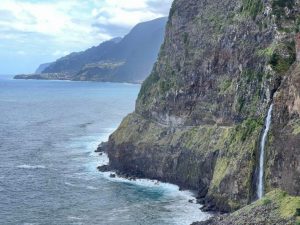
Véu da Noiva
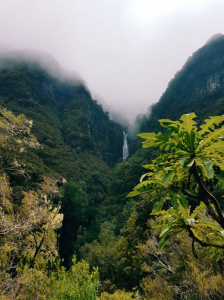
Rabaçal
Pico Ruivo
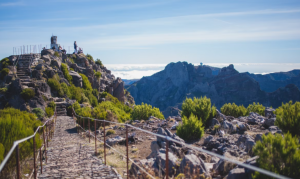
Pico do Arieiro
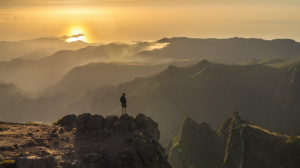
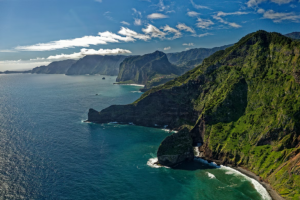
Northern view from Madeira Island
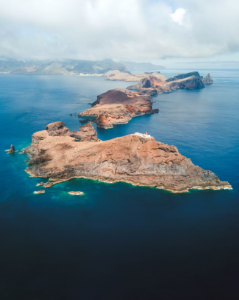
Ponta de São Lourenço
Local Markets, Lavradores at Funchal

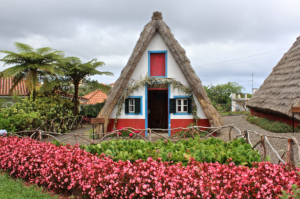
Traditional Santana Houses
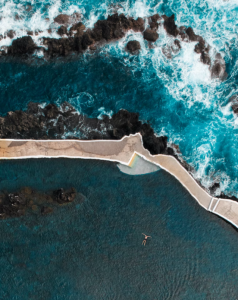
Porto Moniz natural pools
How to get to Madeira
Madeira International Airport (Funchal, FNC) is the island’s gateway. From Lisbon, the flight takes roughly an hour and a half to just under two hours, depending on the airline. From Porto, allow about two hours. TAP Air Portugal and easyJet are among the carriers on both routes, and many European cities have direct flights too. Schedules change by season, so check timetables before you book.
Planning to spend a night in the capital first? Our guide to the best things to do in Lisbon is a good starting point.
The best time to visit Madeira
Madeira works all year, thanks to the mild climate described above. Spring is especially popular because of the Madeira Flower Festival, which fills Funchal with parades (the main parade of the 2026 edition took place on 3 May). The summits are noticeably cooler and cloudier than the coast, so pack layers whatever the month. For a wider view of seasons across the country, read our guide to the best time to visit Portugal.
Laurissilva: Madeira’s UNESCO-listed forest
The Laurisilva of Madeira joined the UNESCO World Heritage List in 1999. This ancient laurel forest covers around 15,000 hectares and sits inside the Madeira Natural Park. According to Visit Madeira, the park covers 67% of the island, and the Desertas and Selvagens islands are protected nature reserves. Many levada walks run through this landscape.
Hiking in Madeira: the new trail rules
Madeira has tightened access to its best-known trails. Since 1 January 2026, every classified walking trail (PR) must be booked in advance on SIMplifica, the regional government’s portal. The rule applies to independent walkers, groups and guided hikers. Popular routes such as Pico do Areeiro, Pico Ruivo, Levada das 25 Fontes, Levada do Risco and Ponta de São Lourenço are all included.
According to the Visit Madeira hiking guide for 2026, the fees are:
- €4.50 for an individual trail, including the PR1 stretch from Pico do Areeiro to the Pedra Rija viewpoint.
- €10.50 for the one-way PR1 section from Pedra Rija to Pico Ruivo.
- €9 for a daily pass covering two or more combined trails (PR1 excluded).
- €22.50 for a 3-day pass and €52.50 for a 7-day pass on combined trails.
You need an account to book, and you choose a 30-minute entry slot. Residents do not pay but must still register. Walking a classified trail without a reservation can lead to fines. Trails also close from time to time for repairs, so always check the official hiking page for the current status before you set out.
Accessibility matters here. Many mountain and levada trails have steps, uneven ground and drops, so they will not suit every traveler. Visitors with limited mobility can still enjoy the island by road, with viewpoints, gardens and the north coast reachable on a driver-led day.
Porto Santo: Madeira’s golden island
Porto Santo is the quieter sister island of the Madeira archipelago. It is known for a golden beach that stretches for about 9 km, a rare sight in the volcanic Atlantic. The island became a UNESCO Biosphere Reserve in 2020, according to Visit Madeira.
Away from the sand, you can visit the Casa Colombo museum, climb to the viewpoint at Pico do Castelo or admire the prismatic volcanic columns at Pico de Ana Ferreira. Golfers can play an 18-hole course designed by Seve Ballesteros. The Visit Madeira page on Porto Santo lists more ideas, including diving and horseback riding.
Getting there is simple. A short flight from Funchal takes about 15 to 20 minutes, and a ferry run by Porto Santo Line crosses in roughly two and a half hours. Timetables vary by season, so check before you plan a day trip.
Azores Islands Portugal
The Azores archipelago is composed of nine volcanic and different islands, also in the Macaronesia region of the Atlantic North. About 1,400 km west of Lisbon, about 1,500 km northwest of Morocco, and about 1,930 km southeast of Newfoundland, Canada.
The climate varies a lot between islands and seasons, but daytime highs usually sit between 16 and 25 °C. It is also unexpected, meaning that during a summer day you can get fog and lower temperatures.
The Azores are also known for the great food, especially if you’re into great meat or a fresh catch from the ocean. Here are some highlights of São Miguel, the largest island of the archipelago:
Lagoa das 7 cidades
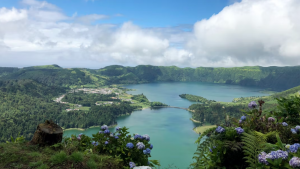
Lagoa de Santiago – 7 cidades
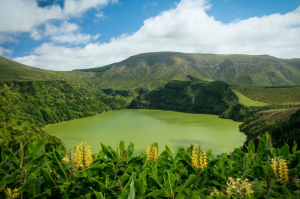
Lagoa do Fogo
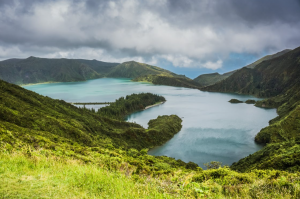
Furnas
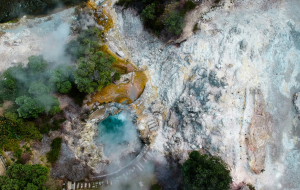
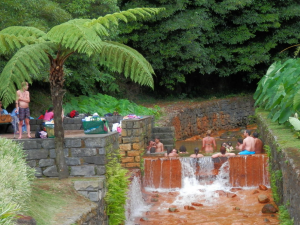
Poça da Dona Beija – Furnas
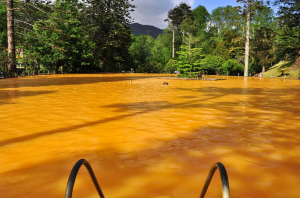
Parque Terra Nostra – Furnas
Beyond São Miguel: four more islands worth the flight
São Miguel is the easiest base, but the archipelago rewards a second island. Here are four to consider.
- Terceira: The historic centre of Angra do Heroísmo has been a UNESCO World Heritage Site since 1983. The island is also home to the Algar do Carvão volcanic cave.
- Pico: Mount Pico rises to 2,351 m and is the highest point in Portugal. The island’s vineyard landscape, with its stone-walled plots, joined the UNESCO list in 2004. Whale watching is another highlight here.
- Faial: The Capelinhos Lighthouse stands at the edge of a landscape shaped by the 1957 to 1958 eruption. Horta, the island’s main town, is a famous port for sailors.
- Flores: This western island is all waterfalls and green hillsides, a good choice for travelers who want a slower, more remote stay.
For a deeper look at the archipelago, read our guide to the Azores, a hidden gem in the Atlantic.
Whale watching in the Azores
The Azores are described as one of the biggest whale sanctuaries in the world. According to Visit Azores, more than 20 species of cetaceans can be spotted here, and blue whales can be seen practically all year off Faial. Whale watching is a regulated activity, so book with a licensed operator and ask how they respect the animals. Spring and summer are the most popular seasons.
Hiking and access in the Azores
The official Azores trails website lets you filter walks by island, difficulty and length, and it includes safety information and alerts. Check it before you go, because conditions change quickly.
Climbing Mount Pico needs more preparation. Registration is mandatory and daily places are limited, so book through the official Pico Mountain website before you travel. Allow 7 to 9 hours for the return climb. July, August and September usually have the most stable weather.
Small per-night tourist taxes may apply in both archipelagos, and the amount depends on where you stay. Ask your accommodation for the final price. Accessibility information for the islands is available on the Visit Azores accessible tourism page.
The best time to visit the Azores
May, June and September are a sweet spot for good weather and fewer crowds. July and August are the busiest months, so book flights and rental cars early. Pack layers and a rain jacket, since the weather can change within hours.
How easy is it to get to both archipelagos?
Flying is the practical way to reach both. From Lisbon, Madeira is about an hour and a half away. The Azores are about two hours from Lisbon and Porto, according to Visit Azores, which adds that several airlines fly direct and that the USA is less than six hours away. The islands inside each archipelago are linked by sea and by regional flights.
The two archipelagos lie far apart in the Atlantic, so treat them as separate trips. Allow at least four or five days for each. If you arrive by private jet, our guide to private jet transfers in Lisbon and Cascais explains the process. Heading north first? See how a private driver can take you from Lisbon to Porto before your island flight.
Our private luxury services have door-to-door service, airport transfers, and high standards with a dedicated chauffeur smartly and elegantly presented. And of course, the comfort and discretion of our luxury fleet.
Our team covers the mainland side of your journey, such as airport transfers in Lisbon or Porto before and after your island flight.
Frequently asked questions
How long is the flight from Lisbon to Madeira and the Azores?
Madeira is about an hour and a half from Lisbon by plane. The Azores are about two hours from Lisbon and Porto, according to Visit Azores. Exact times vary by airline and season.
Do I need to book hiking trails in Madeira?
Yes. Since 1 January 2026, classified trails in Madeira must be reserved in advance on the SIMplifica portal, and a fee applies. An individual trail costs €4.50, while the PR1 section from Pedra Rija to Pico Ruivo costs €10.50.
Which is better for a first visit, Madeira or the Azores?
Madeira suits travelers who want mild weather, a compact island and a lively capital in Funchal. The Azores suit travelers who want wilder landscapes, whale watching and several islands to explore. If your time is short, choose one archipelago and one or two islands.
Which UNESCO sites are in Madeira and the Azores?
Madeira has the Laurisilva forest, listed in 1999. The Azores have two sites: the historic centre of Angra do Heroísmo on Terceira (1983) and the vineyard landscape of Pico Island (2004).
When is the best time for whale watching in the Azores?
Spring and summer are the most popular seasons. Visit Azores notes that blue whales can be seen practically all year off Faial. Choose a licensed operator, and expect trips to depend on sea conditions.

For tailor-made tours or other programs, please get in touch with us by telephone or by filling out the form below.