
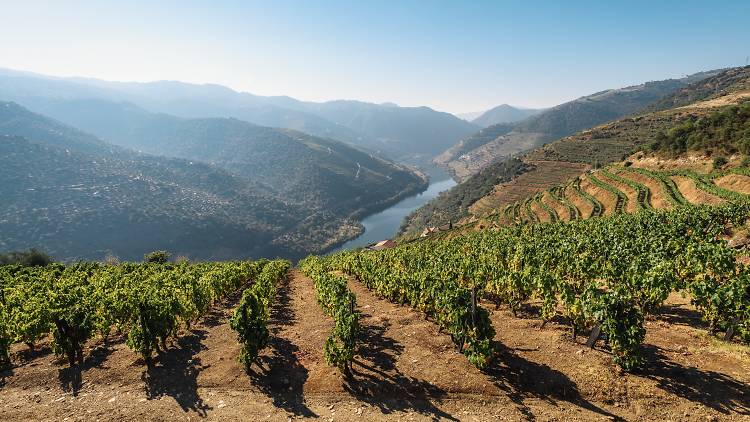
Discovering the best Portuguese wines
The Connoisseur’s Guide to Portuguese Wines: Terroir, Tradition, and Liquid Luxury
Portugal is no longer the wine world’s best-kept secret; it is one of its most sophisticated and diverse epicenters. For the discerning traveler, navigating the country’s viticultural landscape is a journey through ancient terroirs, indigenous grape varieties found nowhere else on Earth, and a winemaking heritage that seamlessly blends centuries-old traditions with cutting-edge innovation.
To truly appreciate Portuguese wines, one must move beyond the commercial labels and explore the boutique estates (quintas and herdades) that are redefining global luxury standards. This insider’s guide maps out the premier Portuguese wine regions and the iconic bottles sought after by collectors worldwide.
Quick Reference: Portugal’s Premier Wine Regions at a Glance
| Portuguese Wine Regions | Signature Grape Varieties | Wine Style & Character | Best For |
| Vinho Verde (Monção & Melgaço) | Alvarinho, Loureiro | Crisp, mineral-driven, high acidity, saline undertones | Seafood pairings & summer fine dining |
| Douro Valley | Touriga Nacional, Touriga Franca, Tinta Roriz | Bold, robust, opulent dark fruits, structured tannins | Vintage Ports & powerful collectible reds |
| Dão | Encruzado (White), Touriga Nacional (Red) | Elegant, balanced, velvety, high natural acidity | Lovers of Burgundy & complex, aged whites |
| Alentejo | Alicante Bouschet, Aragonez, Trincadeira | Full-bodied, voluptuous, rich dark chocolate & plum | Rich, smooth, bold reds & historic amphora wines |
| Madeira Island | Sercial, Verdelho, Bual, Malmsey | Fortified, immortal longevity, high acidity, complex spice | Historic cellaring & elite digestifs |
Deep Dive into the Top Portuguese Wine Regions
1. The Vinho Verde DOC: Monção, Melgaço, and Noble White Wines
Often misunderstood internationally as merely a simple, fizzy beverage, the Minho region in northwest Portugal produces some of the most sophisticated Portuguese white wines in Europe. The true pinnacle lies in the Monção and Melgaço sub-regions along the Minho River, where the noble Alvarinho grape reigns supreme.
Unlike early-release commercial versions, premium estate-bottled Alvarinho is complex, mineral-driven, and possesses extraordinary aging potential. Cultivated in granite-rich soils and influenced by the Atlantic breeze, these top-tier wines reveal layers of citrus, white peach, and a distinct saline minerality that pairs exquisitely with fine seafood cuisine.
2. The Douro Valley: A UNESCO World Heritage of Extremes
As the oldest demarcated wine region in the world (established in 1756), the Douro Valley is a dramatic amphitheater of schist terraces carved into steep hillsides. The climate here is fiercely continental, characterized by extreme summer heat. This environmental stress forces the vines to dig their roots tens of meters deep into the rock for water, resulting in incredibly concentrated grapes.
While world-famous for its legendary fortified Ports, the Douro is now equally revered for its still, dry Portuguese red wines. Grand reserves made from field blends of Touriga Nacional, Touriga Franca, and Tinta Roriz offer powerful tannins, deep fruit opulence, and an elegant structure that rivals the best of Bordeaux or the Rhône Valley.
3. The Port Wine Legacy: Vintage and Aged Tawnies
No exploration of the Douro is complete without paying homage to its fortified crown jewels. For the collector, Vintage Port represents the pinnacle of a single exceptional year. It is bottled after two years in wood and designed to age gracefully in a private cellar for decades, developing complex notes of spice, dark chocolate, and tobacco.
Conversely, Aged Tawny Ports (10, 20, 30, or 40+ years old) undergo oxidative aging in seasoned oak casks in the historic lodges of Vila Nova de Gaia. This slow maturation transforms the wine into a golden-amber nectar with sublime aromas of dried fruits, toasted nuts, orange peel, and caramel—the ultimate digestif for an elegant evening.
4. The Dão DOC: The Elegant, Age-Worthy “Burgundy of Portugal”
Sheltered by three massive mountain ranges (Estrela, Caramulo, and Bussaco), the Dão region enjoys a unique microclimate protected from both harsh Atlantic winds and continental extremes. Sitting on high-altitude granite plateaus, the vineyards produce wines characterized by high natural acidity, delicate floral aromas, and remarkable balance.
Often called the “Burgundy of Portugal” due to its focus on elegance and terroir over raw power, the Dão is the spiritual home of Touriga Nacional for reds and the stunning Encruzado for whites. Premium Encruzado, often fermented or aged in high-quality oak, offers a textural, creamy weight balanced by striking minerality, evolving beautifully over 10 to 20 years in the bottle.
5. The Alentejo: Sun-Drenched Plains and Velvet Red Icons
Spanning nearly a third of the country, the Alentejo is a landscape of rolling golden plains, cork oak forests, and intense summer heat. This terroir yields full-bodied, voluptuous, and velvety wines that are deeply seductive to international palates.
While the region is highly accessible, its high-end, limited-production Garrafeiras and single-estate blends are coveted by global collectors. Utilizing a mix of native grapes like Aragonez, Trincadeira, and Alicante Bouschet (a French transplant that found its ultimate expression here), Alentejo’s iconic reds boast rich notes of black plums, wild berries, dark chocolate, and a smooth, structured finish that effortlessly commands the palate.
6. The Amphora Tradition: Alentejo’s Vinho de Talha
For the epicurean seeking historical authenticity, the Alentejo preserves a 2,000-year-old winemaking technique inherited from the Romans: Vinho de Talha. Fermented in massive clay pots (amphorae) coated with local beeswax and resin, this minimalist, low-intervention process allows the grapes to ferment naturally on their skins and stalks.
The resulting wines—both white and red—are profoundly unique. They offer rustic, earthy profiles, dried herb complexities, and a textural grip that connects the modern connoisseur directly to ancient viticultural history.
7. Madeira Wine: The Immortal Elixir of the Atlantic
Rising dramatically from the Atlantic Ocean, the volcanic island of Madeira produces a fortified wine that is virtually immortal. Through a historic process of heating and controlled oxidation (estufagem or canteiro), originally discovered during long sea voyages, Madeira wine becomes immune to the elements.
A high-quality Madeira can easily last for over a century after bottling. Categorized by its sugar levels and noble grape varieties—ranging from dry and searingly fresh (Sercial), medium-dry (Verdelho), medium-sweet (Bual), to rich and dark (Malmsey)—these world-class wines offer an astonishing kaleidoscope of acidity, dried fruits, burnt sugar, coffee, and exotic spices.
8. Bairrada and the Baga Grape: The Atlantic Rebellion
For those who appreciate the structured, high-acid profile of Nebbiolo or Pinot Noir, the maritime region of Bairrada is a mandatory stop. Dominated by the finicky, thick-skinned Baga grape and grown in clay-limestone soils, classic Bairrada reds are astringent and fiercely acidic in their youth.
However, under the hands of master modern winemakers, old-vine Baga transforms with age into an incredibly sophisticated wine. After a decade in the bottle, it softens into a complex masterpiece with notes of forest floor, pine needles, dried berries, and tobacco, supported by an unyielding mineral backbone and excellent freshness.
9. Colares DOC: Pre-Phylloxera Survivors in the Sand
Perched on the cliffs of Sintra, just west of Lisbon, lies Colares—one of the most singular and endangered wine regions in the world. Here, native Ramisco vines are planted directly into deep sand dunes to protect them from the harsh Atlantic winds.
Because the deadly phylloxera aphid cannot survive in sand, Colares boasts some of the oldest, ungrafted (pre-phylloxera) vines in Europe. Hand-harvested amidst challenging maritime conditions, these rare, pale-colored reds are intensely tannic and fiercely acidic when young, requiring years of oak and bottle aging to reveal a hauntingly complex, saline, and savory character that is unlike anything else on earth.
10. Curating Your Exclusive Private Wine Tour in Portugal
Understanding the geography of the best Portuguese wines is only the first step; experiencing it at its highest level requires insider access. A generic tour cannot unlock the private cellars, exclusive barrel tastings, and personal meetings with top-tier estate owners that define true luxury travel.
With Amiroad Luxury Transports, your journey through Portugal’s elite wine country is meticulously curated. From navigating the winding, scenic terraces of the Douro Valley to exploring the exclusive estates of the Alentejo or the historic lodges of Vila Nova de Gaia, our premium fleet and highly discreet, professional chauffeurs ensure your private wine tour in Portugal is executed with absolute comfort, safety, and sophistication.
Allow us to orchestrate your bespoke viticultural itinerary. Contact our team today to design your tailored wine tasting experience.

For tailor-made tours or other programs, please get in touch with us through the telephone below or by filling out the form.